
Worldbuilding is one of my favourite parts (next to editing) and literally allows you as an author to create the world including physical things such as planets, continents, cities, water, people, animals, trees and more. Delve a little closer, and look around you and you will see… food chains, and monetary systems including banks, and coinage, transport systems, laws and politics, religious or non-religious, monarchy and governments, and much more.
The most important thing about your world is your characters role in it, and what their objective is. Where are they? what are they doing? Where do they want to go? How are they going to get there? What are they going to do when they get there? How will they pay to get there? All of these questions and more can be answered in your worldbuilding bible.
This download https://share.reedsy.com/reedsy_worldbuilding_template.pdf is a good example of what you need to include… but…
You don’t need everything.
Imaging the following. You go out for the day, and end up in a small village you’ve never heard of. Do you know anything about these village? Probably not. Do you need to know everything about this village straight away? Most of us would pull out a mobile phone and have a little search to see where we are, and what’s available. That would / could be the only information we need.
Relating this to worldbuilding and writing.
It is good to create a solid history of your world. Think carefully, and fill out the worldbuilding template above, but…
Don’t use it all in the first chapter of your book.
As in the remote village described earlier in this post, it’s better for you to discover new places, and little snippets of info. Infodumping your reader is probably only going to bore them. Your reader wants to explore the area and find out all about the world, as your character moves through it, but they will only be able to do that if you have properly designed it.
A good way to do this is with a map. There are many different ways to make a map, and most start with a river, and some towns dotted along the bigger parts (because they can fish). Then industry builds around that, the villages expand into towns, and roads appear, then other villages grow along the roads, and plumbing to get the water to those villages. After that more and more happens.
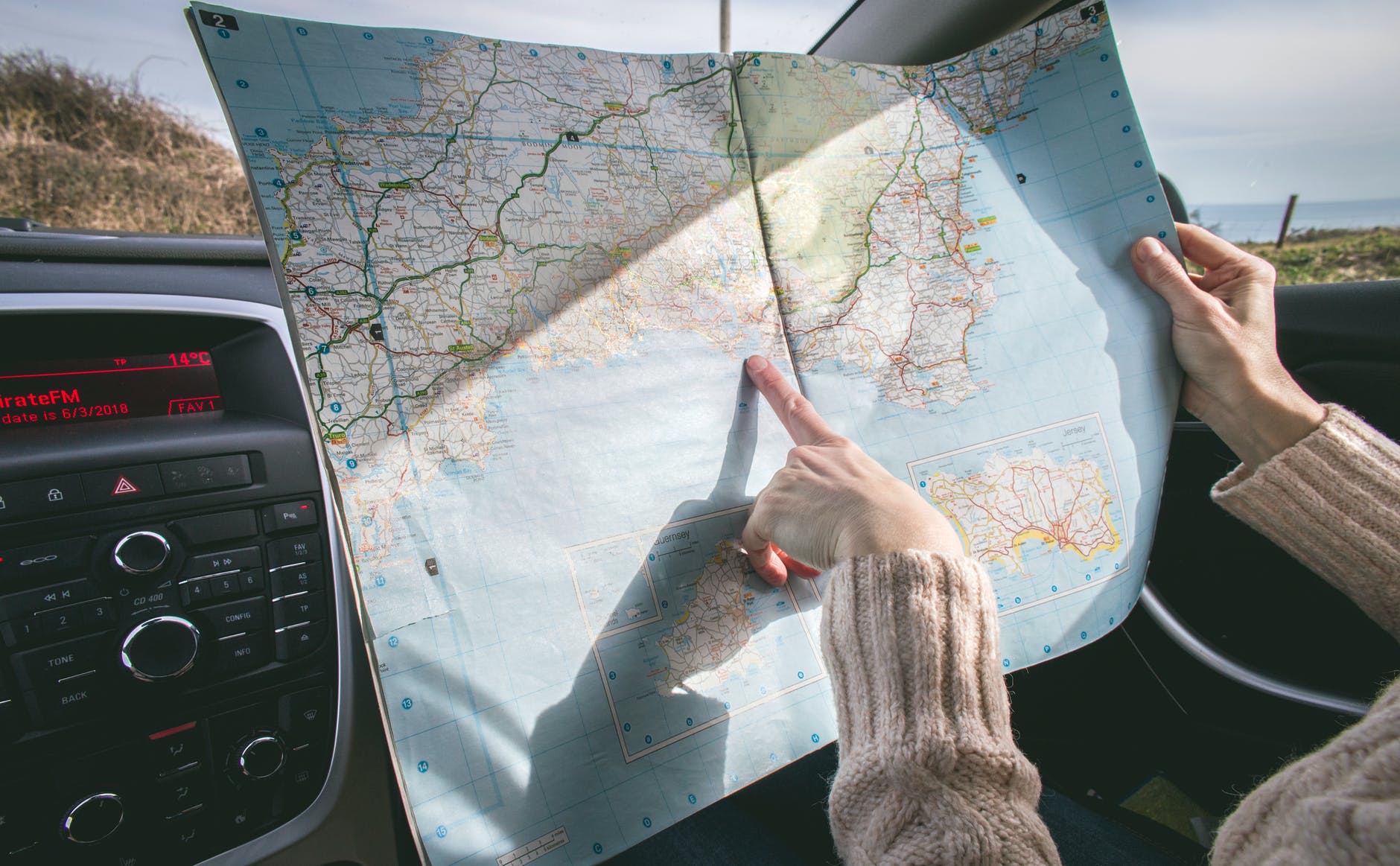
You could just pull out a map from the glove compartment in the car, or do some searching with maps online, and trace your map onto some tracing paper, or print it out.
Your world might not be a “world” though… what happens if your story is just about a guy who drives along a road, and has to go 5000 miles to see his daughter who is sick in hospital. His world would be the road, the motels he stays at, and mostly the car. So worldbuilding would take the form of the car, what fuel it uses, whether the tyres are well looked after (he could get a flat), if the aircon is broken, and he has to have the window open the entire journey (not good in winter)… etc.
Map making links:
https://inkarnate.com
https://ui2.worldspinner.com
Hopefully that’s given you some things to think about. I am now off to Worldbuild as I create book 2 in the Time Clones series.
Until next time, have fun creating 🙂