Warning: This is a long post… I make no apologies for this, because, if you want to be a writer, you’ve got to read, there is no way out of this. 🙂
I’m currently reading The Anachronist (in case you were curious).
So, without further ado, I present to you “A no-fluff step by step guide to writing a book from start to finish, written by Brett Jackson”.
To start, you will need:
– An idea.
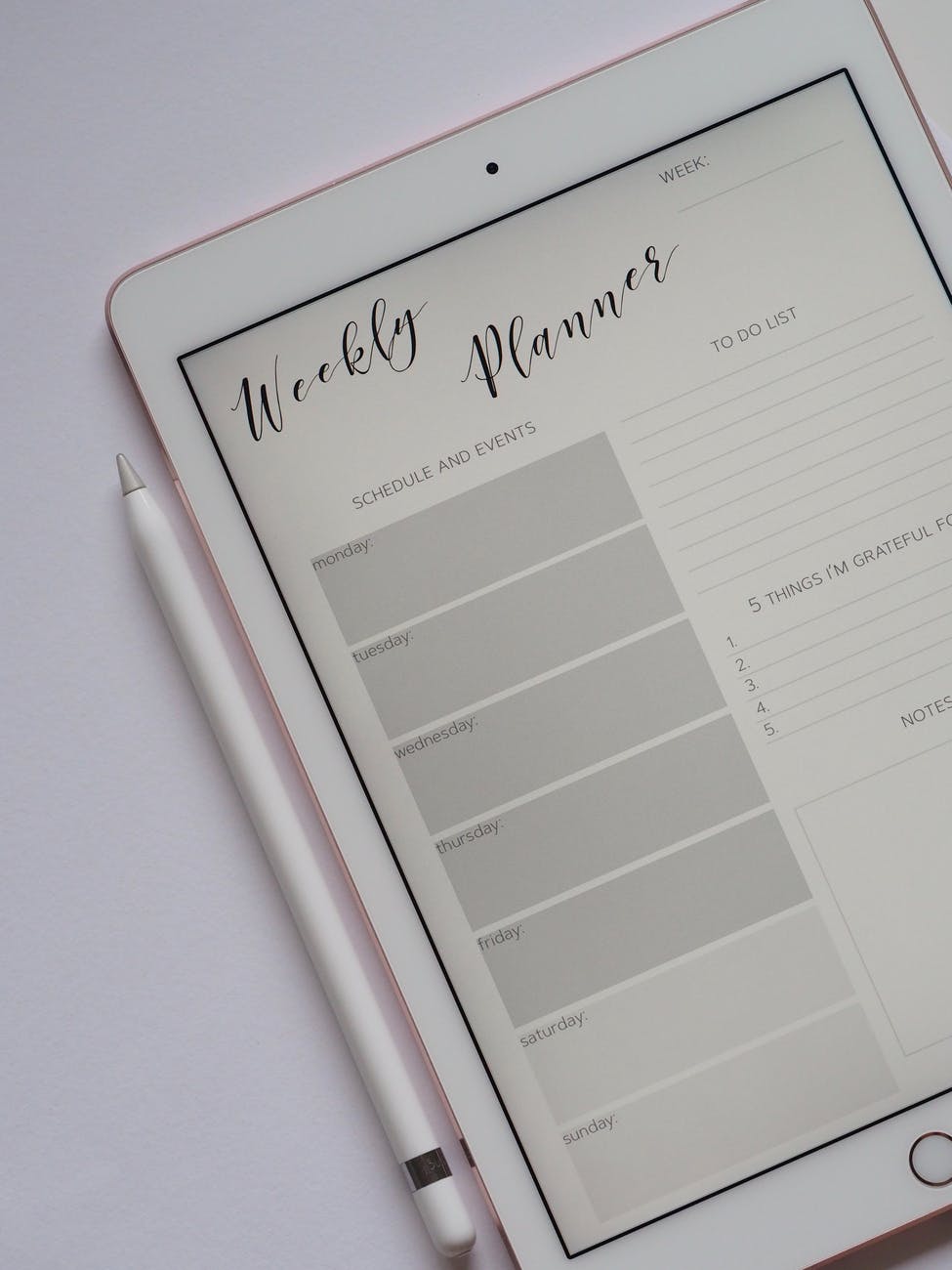
– Pen/pencil and paper or Computer / Laptop / smartphone / typewriter / digital tablet, etc.
– A comfortable workspace with no distractions.
– Something to drink (it’s important to keep hydrated).
1 Premise
Write a one liner explaining what your idea is about (example: A man accidentally travels to 1955 in a Car) so you don’t feel like an idiot when people ask you what your book is about. This one-liner is called your Premise.
2 Blurb
Now, turn your one-liner into a paragraph packing more detail in.
(Example, After the doc bangs his head on the toilet, he invents the flux capacitor which makes time travel possible. He then builds the time machine out of a DeLorean, Marti accidentally travels to 1955 and his mum falls in love with him. His mission is to get his mum to kiss his dad, so he can be born and get back to 1985 before Biff tries to stop them kissing.)
3 Outlining
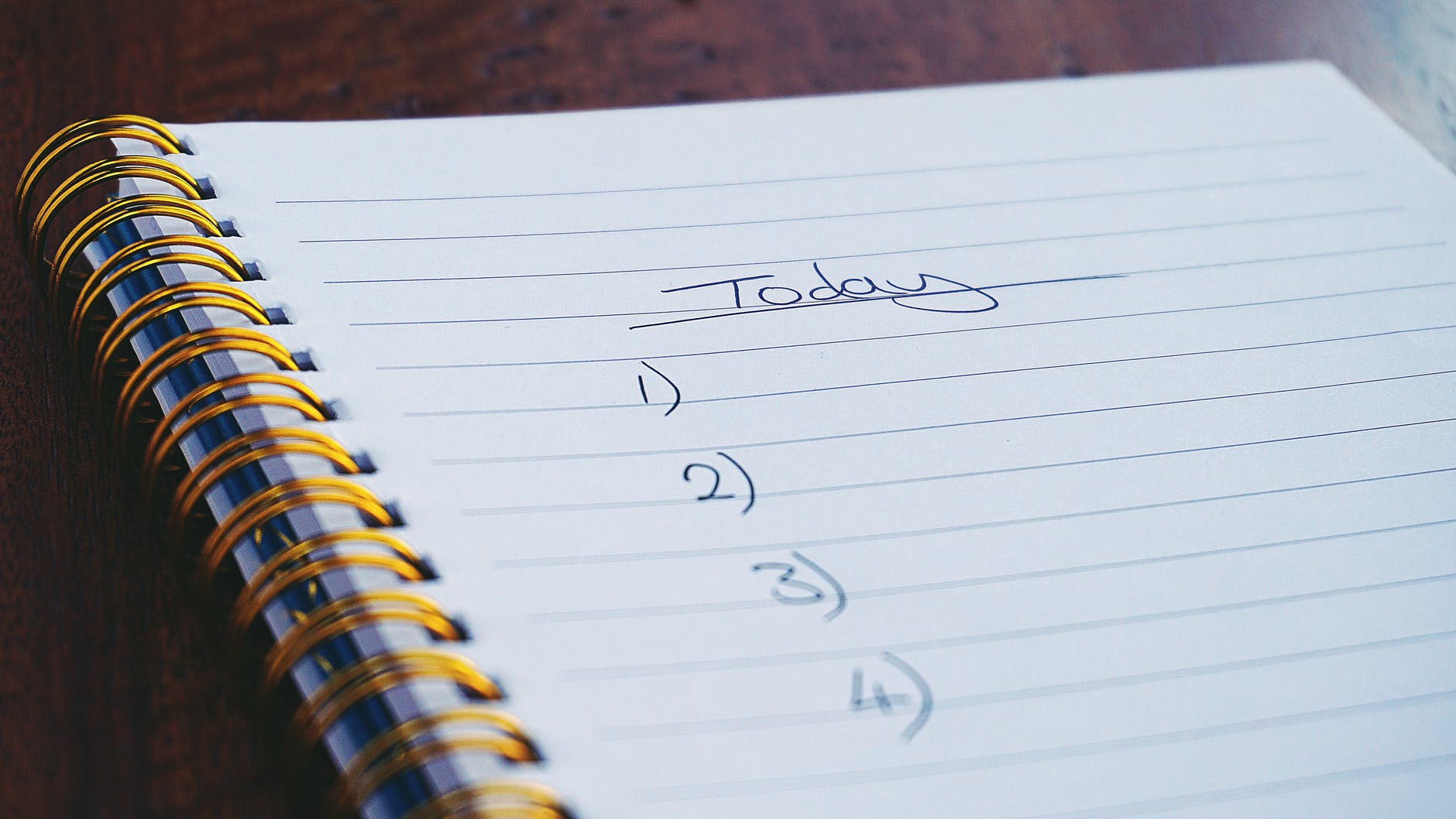
Next, you need to write your outline like a set of bullet points
Example:
. Marti goes to docs house
. He gets a call from the doc
. Marti realises he is late for school
. etc, etc.
This list is good for writing a synopsis and will save you lots of work later, If you write it now, by writing a couple of pages based on this list.
Do this from the start of your plot through the middle to the finish, do not stop halfway through and skip the rest of this step, you will really regret it later.
As you write this bullet list, you begin to think about your Main Characters (MC / Protagonist / Hero), your Very Evil Bad Guy/Girl (VEBG / Antagonist/villain), and all your other characters.
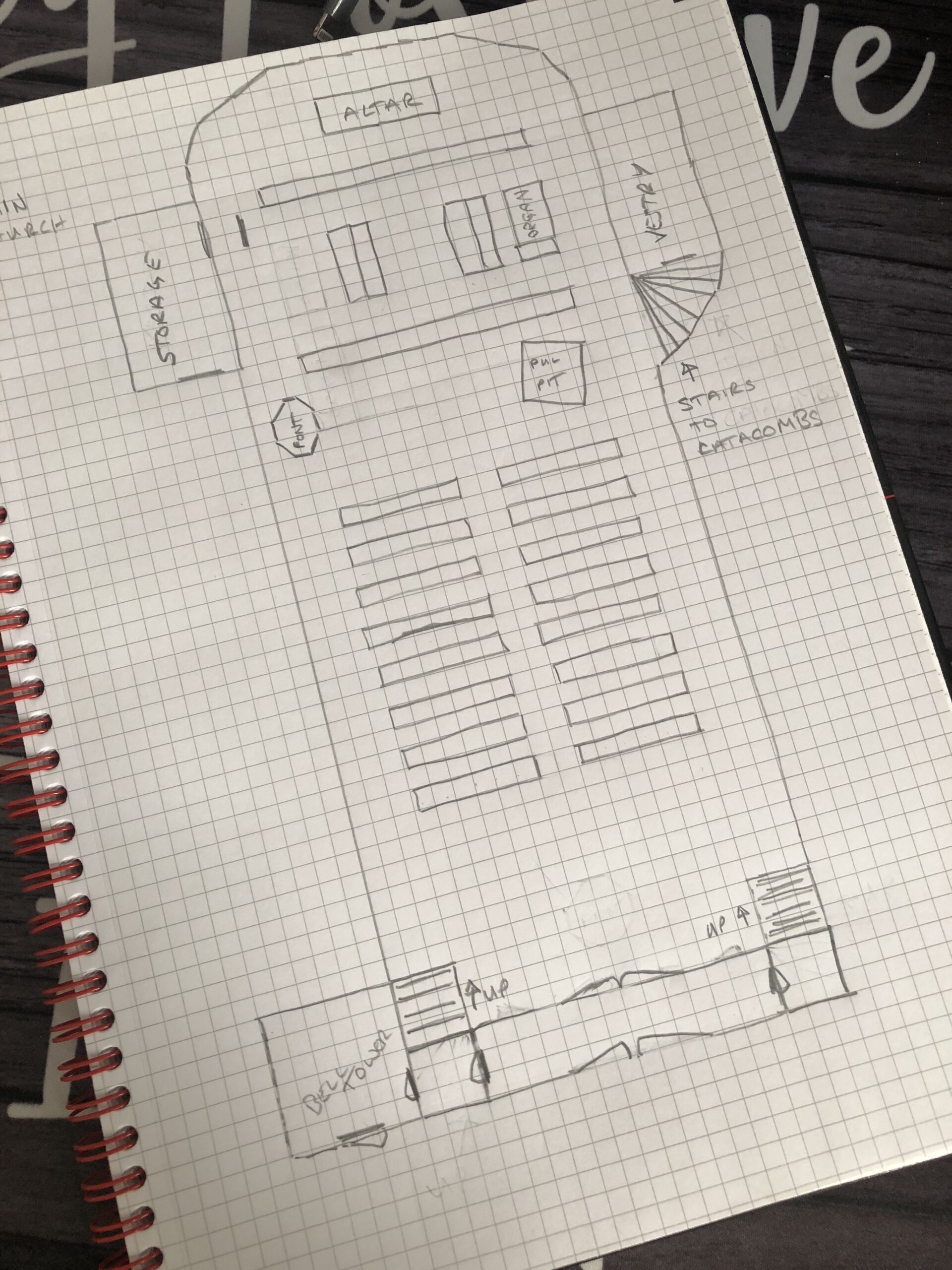
Write descriptions of your characters, so you can refer to them whilst writing. What they look like, where they come from, age, race, species, height, what do they like? Phobias? Favourite foods, annoying habits, etc.
Pro tip: Make your villain bad, because good books usually always have bad villains.
4 The first Draft
Now write a paragraph for each bullet point (crossing off each bullet point as you complete it). This bullet point system is great for remembering what you are writing about and prevents writer’s block because you already know what to write about.
Take regular breaks every 15 minutes for approx 5 minutes (something I am rubbish at doing) and get yourself a drink, comfort break, go for a walk, some food, etc… this gives your brain a chance to rest.
Once you have finished this, you have completed your first draft.
5 Second draft
Now go back and expand each paragraph to 1 to 2 pages, including more detail, adding the six senses. Smell, taste, touch, sight, sounds, and emotions. Record how your characters feel, add what they can see, if they eat something they don’t like, how they react to that, etc
This is called the second draft.
6 Reading, Writing, and Editing (grammar checking, proofreading, and checking your stories flow) Editing and proofreading are essential, you can try and do this yourself.
Examples of good writing software include:
Software
. Zoho Writer (free) is an online resource that is great for this with built-in spellchecker and grammar checker.
. Google docs (free) also has a built-in spell checker
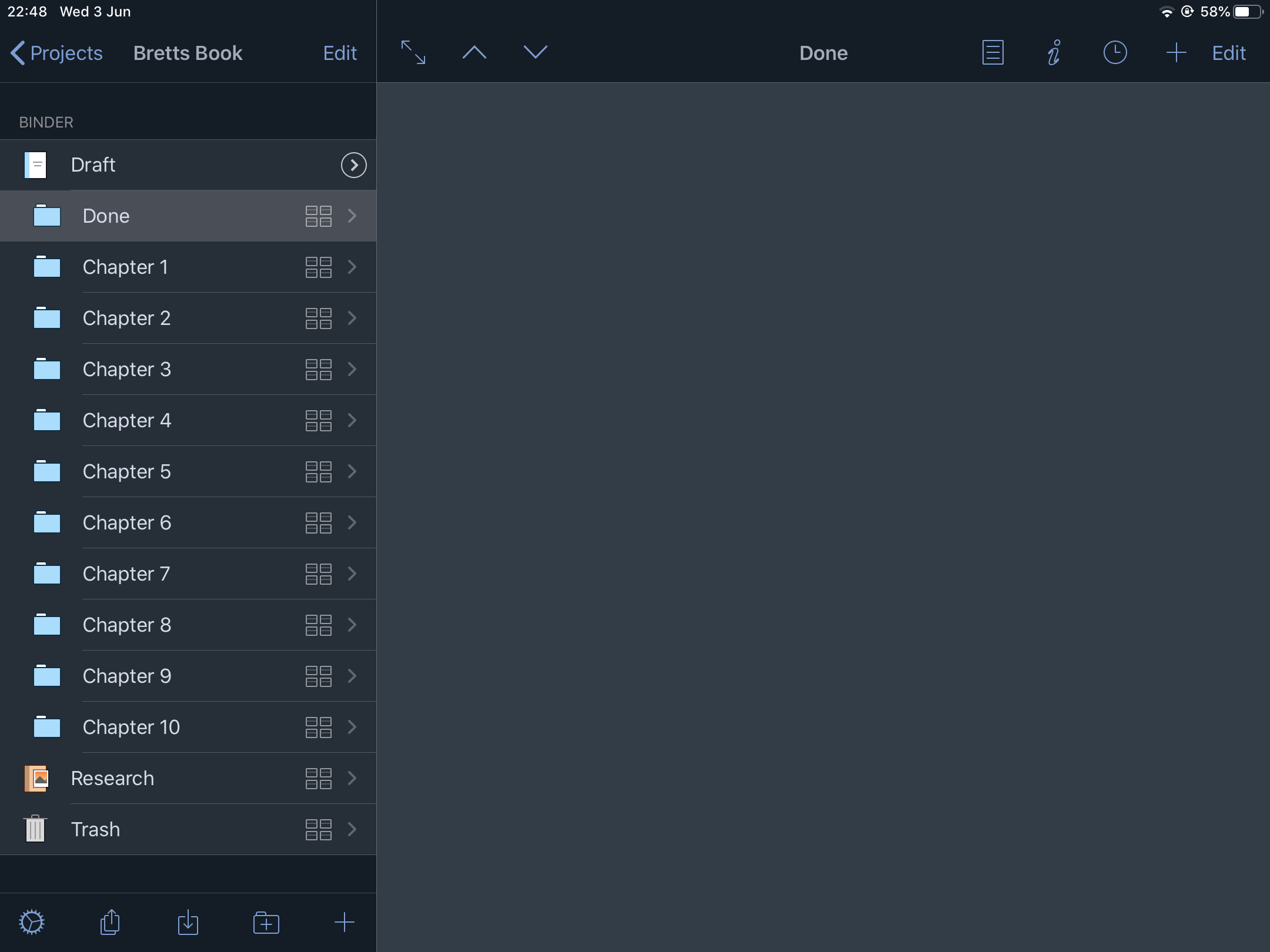
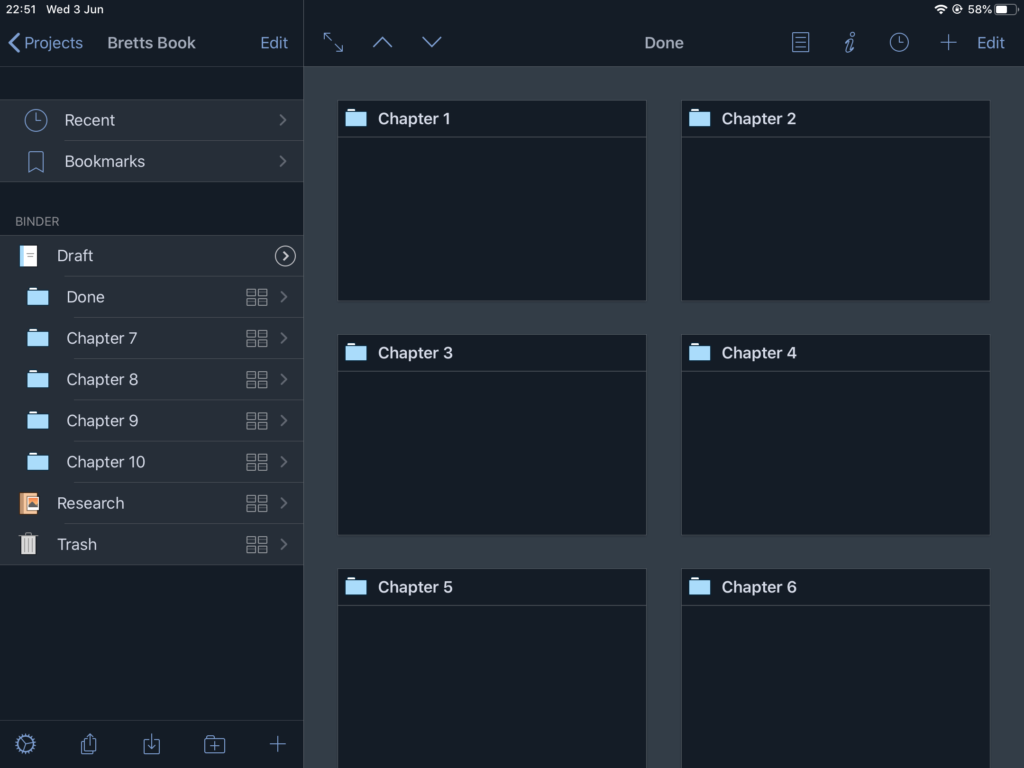
. Scrivener (paid, but worth it) is great for its corkboard system where you can move pages around and make your story more readable.
. Microsoft Word (paid) is also available online, so is good with Grammarly in your browser.
. Grammarly (free and paid, now writing software, but a browser addon) checks your spelling and grammar as you write saving you lots of time editing at this part of the process.
Get on social media and get yourself known.
Read, lots and learn the craft.
Great books include:
Libbie Hawker: take your pants off
Stephen King: On writing
Randy Imgermanson: The snowflake method
Google for more, there are thousands.
7 Book Cover
They say “Never judge a book by its cover”.
In today’s world, your book cover may end up as small as a thumbnail sized picture on your smartphone, and with lots to choose from as you scroll through pages and pages of thumbnails on your favourite ebook shop, you may have realised you do look at the picture first, the title, author, and then read the blurb. Book covers are important.
There are several places to create book covers, if you want to make your own. www.canva.com is one such place, and when used with places such as www.unsplash.com www.pixabay.com and www.pexels.com you can actually come up with some very good designs.
However, if you’re not a budding artiste, you may find that a search for a book cover artist on fiverr.com is a better idea. After listening to the Six Figure Author podcast, I have found that the more you spend on a book cover, the more books you are likely to sell. However, this can become costly, and is probably better suited when you start getting more money in from selling your books. It’s a bit of a viscious circle to be honest, but if you write good books, you are likely to sell more, and get those good book covers faster.
8 Publishing your book.
IMPORTANT: Publishers will pay you, do NOT pay to get published, you may get ripped off.
For a list of UK publishers check out www.writersandartists.co.uk
If you plan to digitally publish try:
– Kindle Desktop Publishing (Amazon)
– Draft 2 Digital
– Ingram Spark
– Google for more.
Remember:
. Writers write
. Good writers get published
. The best writers get famous
Have fun, nobody has said it’s going to be easy, and by giving you this list, you don’t have to stick to it, but by having fun, you will find that writing doesn’t feel like work, and you will end up joining a great group of people the whole world over.
I hope this helps.
Too long didn’t read?
If you’re expecting a shortened version of this, you’re out of luck. A major part of writing is reading, so if you really want to be a writer, go to the top of this post and read through. You will not be disappointed, and you may just find that a lot of the points covered here (for free) are the main points you will find in books that you end up paying for.
PS buy a bookshelf, you will need it 🙂
That’s all for now, now go and write 🙂